
Meal preparation and food that gets eaten
Shopping, cooking and meals made the way your loved one likes them — including meals prepared to a diet their doctor or dietitian has set out.
Free, no obligation. We'll tell you honestly what we'd recommend — including if that's nothing yet.
What's included
A care plan is built around what your loved one actually needs — this is the range it's drawn from.
- Planning meals around what they actually like
- Grocery shopping and putting it away
- Cooking fresh at the visit
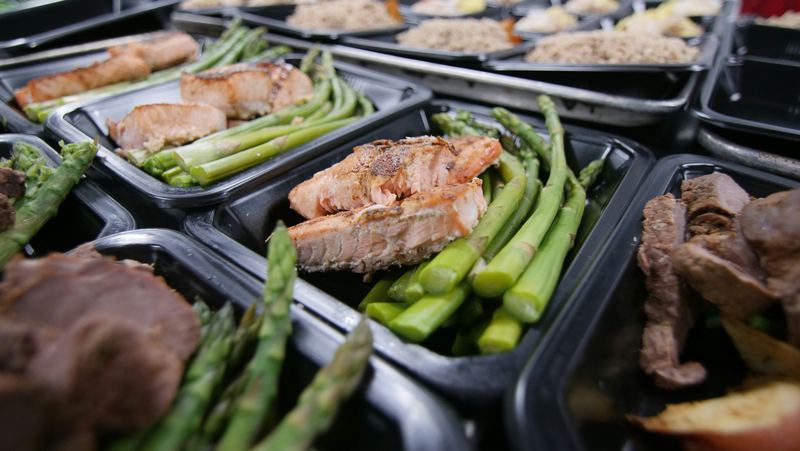
- Portioning and labelling meals to reheat later
- Preparing meals to a diet set by their doctor or dietitian
- Keeping drinks within reach through the day
- Company at the table
- Clearing up afterwards
Appetite goes quietly
Eating less rarely announces itself. Cooking for one is dispiriting after decades of cooking for a family. Standing at a stove is tiring. Shopping means carrying. Slowly, tea and toast becomes most of the day's eating, and nobody decided that it would.
It shows up later as weight loss, low energy, poor healing and falls — by which point it looks like a health problem rather than what it usually is, which is that meals stopped being worth the effort.
Food they actually want
We cook what your loved one likes, not what a menu plan says an older adult should eat. Familiar food, cooked properly, is eaten. Nutritionally correct food that nobody wants goes in the bin.
If a doctor or dietitian has set out a particular diet, we prepare meals to it — but we still work within what the person will genuinely eat, because a diet nobody follows achieves nothing.
Eating together helps more than the cooking does
Where it suits, our caregivers sit and eat with your loved one. Meals are far more likely to be finished when they are shared, and for someone who eats every meal alone, that half hour is often the best part of the visit.
We can also leave portions ready for the days we are not there, so the pattern holds between visits.
Who this is for
Anyone whose eating has become irregular, repetitive, or dependent on whatever needs no preparation.
How it starts
You call, or ask us to call you
Tell us what's been happening. There's no script and nothing to prepare.
We visit, at no cost
We come to the home, meet your loved one, and work out what would actually help.
Care starts
Usually within days. We start small, and adjust as you learn what's working.
Talk to someone about meal preparation
Call and you'll speak to a person who knows the service, not a call center. If it's easier to write it down, the consultation form works too.
(651) 350-0999Or request a consultation online — we reply within one business day.