
In-home care services in the Twin Cities
Every family's situation is different. Some need a few hours of companionship a week; others need daily hands-on support. We build a care plan around what your loved one actually needs — and change it as those needs change.
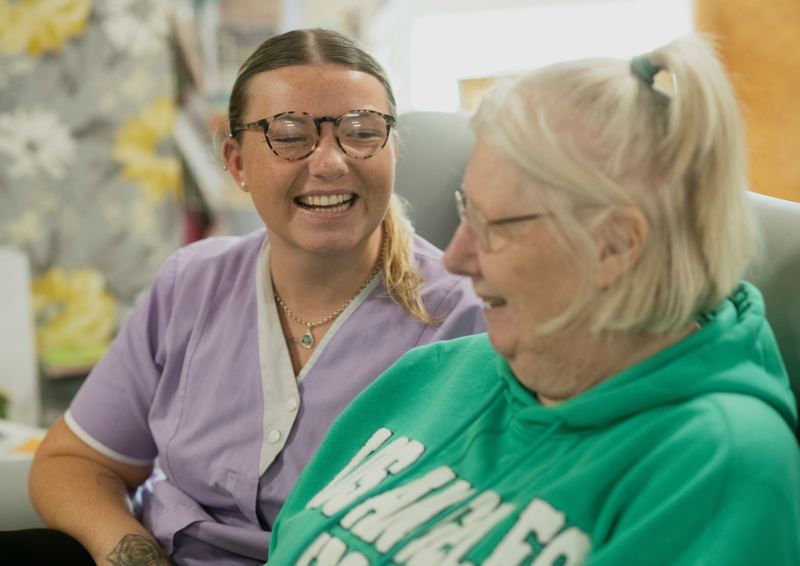
Personal care
Hands-on help with the parts of the day that have become hard
Bathing, dressing, grooming and hygiene, with as much or as little hands-on help as your loved one wants. Our caregivers are trained to assist without taking over — the goal is always for someone to do what they still can, with support for the rest.
Mobility is part of this too: steadying someone on the stairs, getting in and out of a chair or bed, walking to the car. These are the moments when most falls happen at home.
We start with the same caregiver each visit wherever we can. Personal care is intimate work, and it goes better when it isn't a stranger every time.
Who this is for
Someone who is managing well at home overall, but is finding the physical parts of the day harder or riskier than they used to be.

Household help & transportation
A safe home, and a reliable way to get out of it
Cleaning, laundry, changing bedding, dishes, taking the trash out, keeping walkways and stairs clear. The ordinary upkeep that quietly stops happening when someone is tired or unsteady, and the first place a fall tends to start.
Plus rides to medical appointments, the pharmacy, the grocery store, church or family, anywhere in the Twin Cities metro. Unlike a taxi, the caregiver stays: they walk your loved one in, wait, help with bags or a walker, and see them back into the house.
One caregiver can cover both, so a shopping trip and putting the groceries away are one visit, not two.
Who this is for
Families noticing the house slipping, and anyone who has stopped driving or knows they should.
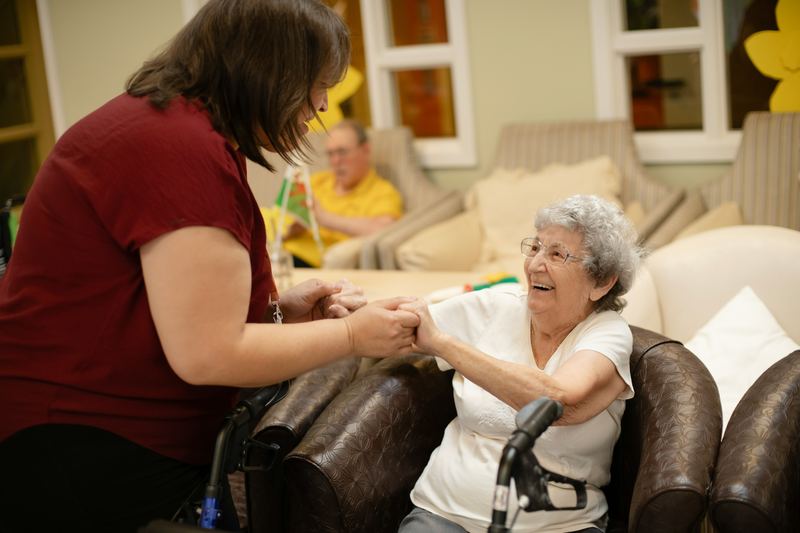
Companionship
So the day has someone in it
Conversation, a game of cards, a walk, a trip out, or simply someone in the house while family are at work. Companionship visits are built around what your loved one actually enjoys.
Isolation is not a soft problem. For older adults living alone it tracks with faster decline in memory, mood and physical health — and it is the need families most often tell us they underestimated.
Our caregivers also quietly keep an eye on things: whether someone is eating, sleeping, steady on their feet, or seeming different from last week. That early notice is often what prevents a crisis.
Who this is for
Someone living independently who is alone for most of the day, or a family carer who needs reliable hours away.

Meal preparation
Real food, prepared the way they like it
Shopping, cooking and preparing meals that suit your loved one's tastes and any dietary needs their doctor or dietitian has set out. Meals can be made fresh at each visit or portioned and left ready.
Appetite often falls away long before anyone notices. Cooking for one is dispiriting, standing at a stove is tiring, and tea and toast quietly becomes the whole day's eating.
Where it helps, we sit and eat with your loved one. Meals are more likely to be finished when they are shared.
Who this is for
Anyone whose eating has become irregular, repetitive, or dependent on whatever needs no preparation.
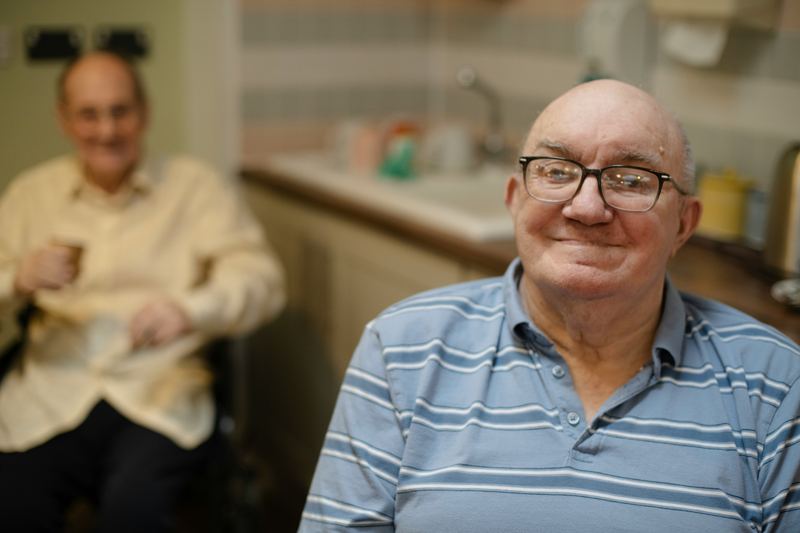
Daily living support
Keeping the shape of the week intact
Medication reminders, keeping track of appointments, help with post and paperwork, errands, and the routines that hold a week together.
To be clear about what this is: our caregivers remind and prompt. Anything beyond reminders is a different level of service — call us and we will tell you honestly what applies to your situation.
Most families come to us for one specific thing and find that the value is in the consistency: someone reliable, at the same times, who notices when something changes.
Who this is for
Someone whose days have started slipping — missed doses, missed appointments, post piling up.
Not sure which of these you need?
Most families aren't, at first. Tell us what's been happening and we'll tell you honestly what we'd recommend — including if that's nothing yet. Every situation is different, including how care is paid for, so it's worth a conversation.
(651) 350-0999Free, no obligation. Or request a consultation online.